
Three Herbs I’m Reaching for in the New Year: A Functional Nutrition Perspective from a Licensed Nutritionist
As a licensed nutritionist practicing functional nutrition in the DC, Maryland, and Virginia area, I see the same themes surface every January—chronic stress, lingering fatigue, blood sugar swings, and a strong desire to “reset” the body after the holidays.
Rather than recommending extreme protocols, cleanses, or restrictive plans, I focus on foundational, evidence-informed support—especially for individuals navigating chronic disease, autoimmune conditions, and complex illness.
Herbs can be one part of that support when used thoughtfully. Not as a cure-all, and not in isolation, but as tools that work with the body’s physiology.
This winter, I find myself reaching for the same three herbs I often discuss with clients—not because they’re trendy, but because they address patterns I’m noticing in my own body and in the bodies of those I work with. Here’s what I’m using, why it matters, and what the research actually tells us.
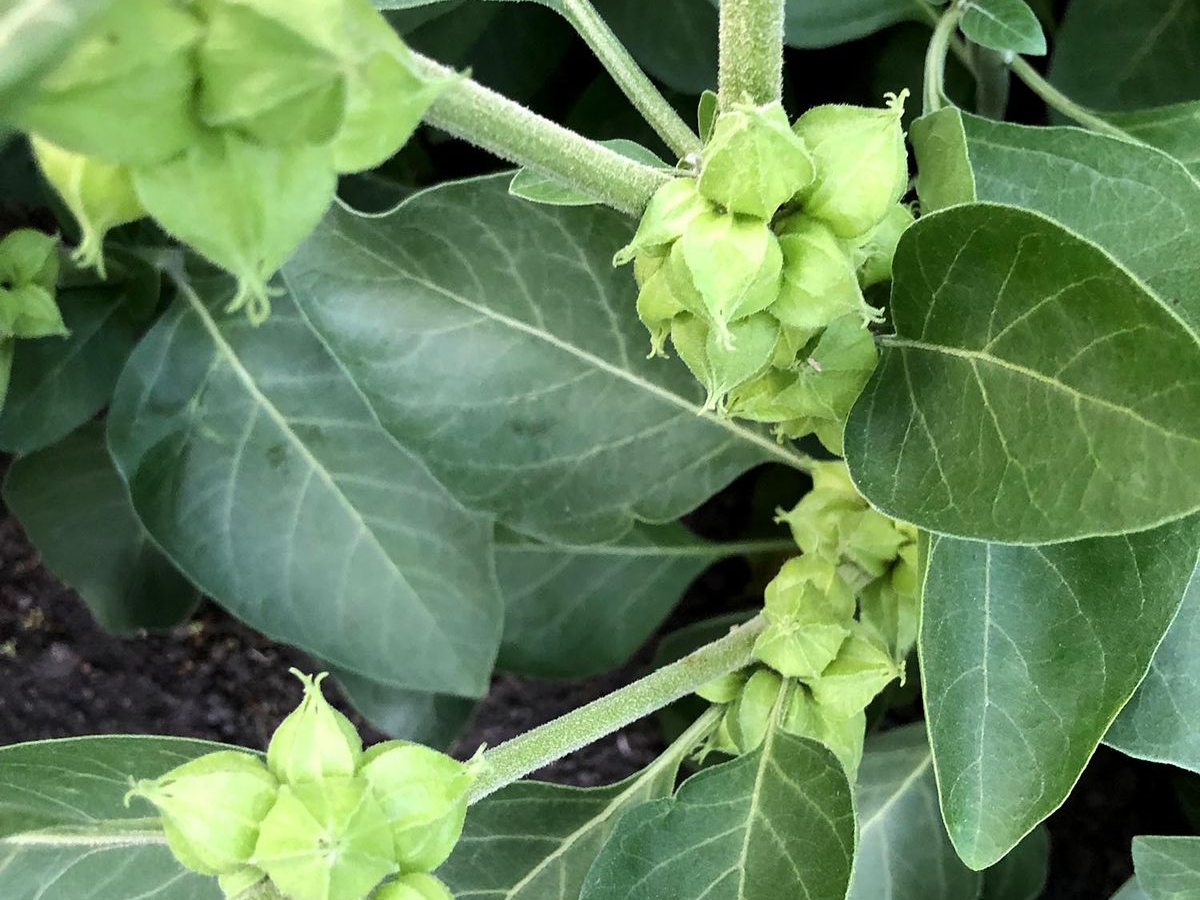
Image Credit: Oregon’s Wild West and National Center for Complementary and Integrative Health
1. Ashwagandha: Supporting the Stress Response in Functional Nutrition
Chronic stress is one of the most common drivers of symptoms I see in my work as a functional nutrition expert—especially among adults managing autoimmune disease, hormonal shifts, or complex health conditions.
I’m reaching for ashwagandha this winter because I notice my own nervous system feels more reactive in the darker months. The shorter days, the indoor-heavy routines, the cumulative weight of a long year—it all adds up.
Ashwagandha is an adaptogenic herb that supports the body’s stress response by interacting with the hypothalamic-pituitary-adrenal (HPA) axis. Rather than stimulating or sedating, it helps the nervous system respond more efficiently to ongoing stress. It’s considered “adaptogenic” because it gently helps the body maintain or restore homeostasis.
What the research shows:
A 2019 randomized controlled trial published in Cureus found that adults taking 240 mg of ashwagandha extract twice daily for 60 days experienced significant reductions in serum cortisol levels compared to placebo, along with improvements in stress and sleep quality (Salve et al., 2019). Another systematic review in the Journal of Alternative and Complementary Medicine noted ashwagandha’s potential to reduce stress and anxiety across multiple studies (Pratte et al., 2014).
Why it’s relevant for many of my clients:
- Chronic stress can worsen inflammation and autoimmune flares
- Stress resilience is foundational to functional medicine nutrition
- It supports steadier energy without pushing the body harder
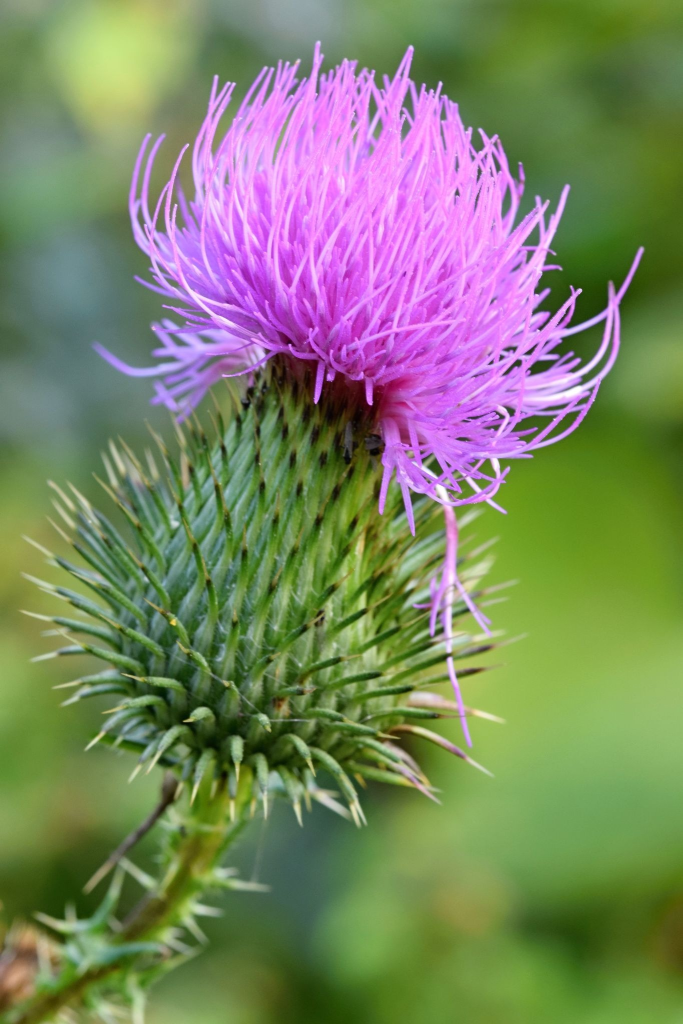
Image credit: montypeter on Freepik
2. Milk Thistle: Liver Support Without Detox Culture
The liver plays a central role in hormone metabolism, medication processing, inflammation regulation, and blood sugar balance. In functional nutrition, liver support is not about detoxing—it’s about supporting normal physiology, especially for individuals managing chronic disease, long-term medication use, or hormone therapy.
I’m using milk thistle this winter because I want to support my liver as it processes everything from environmental exposures to the natural metabolic load of being human in a complex world. The liver doesn’t need a “cleanse”—it needs nourishment and gentle support to do what it already does brilliantly.
Milk thistle contains silymarin, a compound with antioxidant and anti-inflammatory properties that has been studied extensively for liver support.
What the research shows:
A 2020 review in Phytotherapy Research highlighted silymarin’s hepatoprotective effects, noting its ability to reduce oxidative stress and support liver cell regeneration (Abenavoli et al., 2018). The National Center for Complementary and Integrative Health (NCCIH) recognizes milk thistle as one of the most well-studied herbs for liver health, though they note more research is needed for specific conditions.
One common misconception I correct often: milk thistle is not about “flushing toxins.” It’s about supporting the liver’s existing detoxification pathways—Phase I and Phase II biotransformation—so the liver can do its job more effectively.
Why I often discuss milk thistle in practice:
- Many clients are navigating perimenopause, menopause, or HRT
- The liver is deeply involved in hormone and metabolic health
- Gentle support can be appropriate for complex illness nutrition when individualized
This is a good example of how functional medicine nutrition focuses on supporting systems, not overriding them. I’m curious: What supports your liver already? Adequate protein? Cruciferous vegetables? Sleep? Milk thistle is just one piece.

Image Credit: freepik
3. Cinnamon: Blood Sugar Support with Flavor and Flexibility
Blood sugar regulation is foundational in functional nutrition—especially for individuals with chronic inflammation, autoimmune conditions, or energy instability.
I’m reaching for cinnamon in the new year not because I need aggressive intervention, but because I appreciate how it supports my body gently while adding warmth and comfort to foods I already love. Cinnamon reminds me that nutrition doesn’t have to be overtly clinical to be effective.
Cinnamon has been shown to support insulin sensitivity and post-meal blood sugar balance. But beyond the research, cinnamon offers something equally important: pleasure and sustainability.
What the research shows:
A 2020 meta-analysis in Diabetes Care found that cinnamon supplementation significantly reduced fasting blood glucose and HbA1c levels in individuals with type 2 diabetes (Deyno et al., 2019). Another study in the Journal of the Academy of Nutrition and Dietetics found that even small amounts—as little as 1 gram daily (think: a half a teaspoon sprinkled onto food)—improved insulin sensitivity in individuals with metabolic syndrome (Zare et al., 2019).
The American Diabetes Association acknowledges cinnamon as a potentially beneficial addition to blood sugar management, though they emphasize it should complement, not replace, standard care.
Why I recommend cinnamon often:
- It supports blood sugar without restriction
- It enhances flavor without added sweetness
- It encourages a more compassionate approach to metabolic health
I typically encourage culinary use—adding cinnamon to oatmeal, yogurt, coffee, or baked fruit—rather than high-dose supplementation, unless otherwise indicated. A therapeutic dose might be 1–6 grams daily, but even a teaspoon stirred into morning oats can make a difference. I find myself asking clients: Where could cinnamon fit into your day in a way that feels good?
Functional nutrition should support real life, not create more rules.
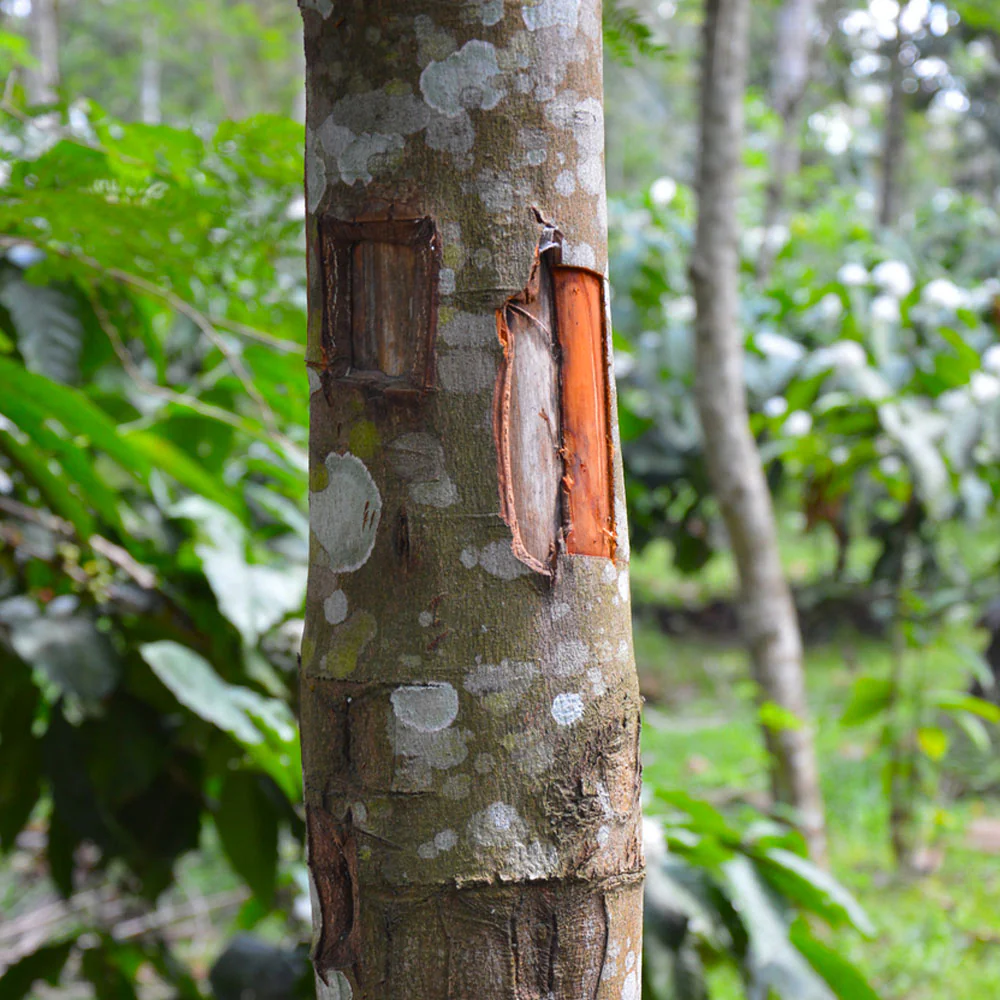
A note on cinnamon types and sourcing:
Not all cinnamon is the same, and this matters if you’re using it regularly for blood sugar support. Cinnamon is grown primarily in Sri Lanka, India, Indonesia, China, and Vietnam. After harvesting, the bark is peeled, dried, and naturally curls into the cinnamon “quills” (sticks) we recognize or see in photos.
There are two main types you’ll find in stores:
Ceylon cinnamon (“true cinnamon”): Native to Sri Lanka, this variety has a lighter color and softer, more delicate flavor. It’s significantly lower in coumarin—a naturally occurring compound that can affect liver function when consumed in high amounts over time. For clients using cinnamon daily or in therapeutic doses, I often recommend Ceylon.
Cassia cinnamon: Commonly grown in Indonesia, China, and Vietnam, cassia has a darker appearance and stronger, spicier flavor. It’s what you’ll find in most U.S. grocery stores labeled simply as “cinnamon.” While perfectly safe for occasional culinary use, it contains higher levels of coumarin.
What I tell clients: For everyday sprinkling—a dash in your coffee, a sprinkle on toast—either type is fine. But if you’re using cinnamon regularly as part of blood sugar management or metabolic support, Ceylon is the gentler choice. You don’t necessarily need organic, but I do encourage looking for Ceylon specifically if you’re using it consistently.
The European Food Safety Authority (EFSA) has established a tolerable daily intake for coumarin, and for individuals using cinnamon therapeutically, Ceylon keeps you well within safe ranges while still offering the metabolic benefits.
A Functional Nutrition Takeaway
As a nutrition expert serving DC, MD, and VA, I remind clients often: herbs are supportive tools, not magic solutions. They work best alongside adequate nourishment, stress support, sleep, and personalized care.
What I appreciate about these three herbs is that they support foundational systems (stress response, liver function, blood sugar), align with chronic disease and autoimmune nutrition principles, and encourage consistency rather than extremes.
If you’re navigating a chronic or complex health condition and are curious about functional nutrition—or are looking for a licensed nutritionist who accepts insurance in DC, MD, or VA—this kind of individualized, systems-based approach matters and it’s what you can expect working with someone who practices from a functional medicine approach.
My advice? Start with one small support. Pay attention to how your body responds. And remember: sustainable change is often quieter than we expect.
Important Safety Information
While these herbs can be valuable supportive tools, they are not appropriate for everyone and should be used thoughtfully.
Cinnamon: Outside of using cinnamon as a culinary spice or for flavoring, it should not be used therapeutically during pregnancy and lactation and should not be given to children.
Milk thistle: Should be used with caution during pregnancy and lactation and should not be given to children. Individuals with hormone-sensitive conditions should consult with their healthcare provider before use.
Ashwagandha: Although generally safe to use, it should be used with caution and within safe limits. It should not be used during pregnancy and lactation and should not be given to children. Those with thyroid conditions or taking thyroid medication should work closely with a qualified practitioner.
For all herbs discussed: Watch for hypersensitivity reactions and potential interactions with medications. If you are taking prescription medications, have a chronic health condition, or are under medical care, please consult with your healthcare provider or a licensed nutritionist before adding herbal supplements to your regimen.
This information is for educational purposes only and is not intended to diagnose, treat, cure, or prevent any disease. Always seek personalized guidance from qualified healthcare professionals.
References
Abenavoli, L., Capasso, R., Milic, N., & Capasso, F. (2018). Milk thistle in liver diseases: past, present, future. Phytotherapy Research, 32(10), 1-11. Retrieved from: https://onlinelibrary.wiley.com/doi/epdf/10.1002/ptr.3207
Deyno, S., Eneyew, K., Seyfe, S., Tuyiringire, N., Peter, E. L., Muluye, R. A., & Tolo, C. U. (2019). Efficacy and safety of cinnamon in type 2 diabetes mellitus and pre-diabetes patients: A meta-analysis and meta-regression. Diabetes Research and Clinical Practice, 156, 107815. Retrieved from: https://www.diabetesresearchclinicalpractice.com/article/S0168-8227(19)30706-5/abstract
National Center for Complementary and Integrative Health (NCCIH). Milk thistle. Retrieved from https://www.nccih.nih.gov/health/milk-thistle
Pratte, M. A., Nanavati, K. B., Young, V., & Morley, C. P. (2014). An alternative treatment for anxiety: a systematic review of human trial results reported for the Ayurvedic herb ashwagandha (Withania somnifera). Journal of Alternative and Complementary Medicine, 20(12), 901-908. Retrieved from: https://pubmed.ncbi.nlm.nih.gov/25405876/
Salve, J., Pate, S., Debnath, K., & Langade, D. (2019). Adaptogenic and anxiolytic effects of ashwagandha root extract in healthy adults: A double-blind, randomized, placebo-controlled clinical study. Cureus, 98(37), e17186. Retrieved from: https://pmc.ncbi.nlm.nih.gov/articles/PMC6979308/
Zare, R., Nadjarzadeh, A., Zarshenas, M. M., Shams, M., & Heydari, M. (2019). Efficacy of cinnamon in patients with type II diabetes mellitus: A randomized controlled clinical trial. Clinical Nutrition, 38(2), 549-556. Retrieved from: https://pubmed.ncbi.nlm.nih.gov/29605574/